Experience Sharing

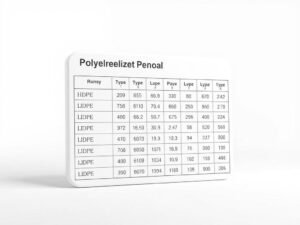
Polyethylene Density Guide: HDPE, LDPE & Beyond
Plastic materials are ubiquitous in modern life, and among them, polyethylene stands out due to its versatility and wide range of plastic properties. The plastic

Plastic materials are ubiquitous in modern life, and among them, polyethylene stands out due to its versatility and wide range of plastic properties. The plastic

Magnesium, a chemical element with the symbol Mg and atomic number 12, is a shiny gray metal known for its low density and high chemical

Magnesium is recognized as the lightest structural metal available for industrial applications, holding a unique position as the eighth most abundant element in the Earth’s

The temperature at which a metal changes from a solid to a liquid state is known as its melting point. Different metals have varying melting

The density of rubber is a crucial physical property that affects its performance in various applications, from automotive parts to industrial seals. Understanding the differences

High-Density Polyethylene (HDPE) is a versatile plastic material known for its high crystallinity and unique thermal properties. The melting point of HDPE, typically ranging around

Zinc is a versatile metal with a density of approximately 7.14 g/cm³ at room temperature, making it a relatively heavy metal compared to others like

Understanding the properties of steel is crucial for engineers working on various construction projects. One key property is its density, which significantly influences the material’s

The melting point of iron, approximately 1,538°C (2,800°F), is a critical parameter in metallurgy and manufacturing. This fundamental property influences the behavior and applications of

Silver is one of the most versatile and valued precious metals in the world, with its unique density playing a crucial role in determining its

Polyvinyl chloride, commonly known as PVC, is a versatile thermoplastic used in various industrial and commercial sectors. Its melting point ranges between 160°C and 210°C,

Polypropylene (PP) is a versatile thermoplastic polymer used across various industries. Its density ranges from 0.855 to 0.946 g/cm³, making it the second-most produced commodity

Nylon is a family of synthetic polymers known for its exceptional strength and versatility. Characterized by amide linkages, nylons are typically brownish in color and

The question of whether graphite truly melts has sparked intense scientific debate. Graphite, a form of carbon, is known for its extraordinary thermal properties. At

Copper is a widely used metal with numerous applications in electrical, plumbing, and construction industries. Its mass density is a fundamental property that determines its

Understanding the melting point of gold is essential for professionals in the jewelry and refining industries. Pure gold melts at 1,064 degrees Celsius (1,947 degrees

Lead is a heavy metal with a remarkably high density that significantly impacts its applications and handling. With a density of approximately 11.34 grams per

Tin is a versatile metallic element with a relatively low melting temperature of 231.93 degrees Celsius. When heated above this temperature, tin’s crystal structure is

Gold is renowned for its distinctive physical properties, one of which is its remarkable density. This characteristic sets it apart from other metals and contributes

Brass, an alloy made by combining copper and zinc, is widely used across various industries due to its unique properties, including corrosion resistance and aesthetic

Brass, an alloy primarily composed of copper and zinc, is renowned for its malleability, corrosion resistance, and aesthetic appeal. Its density is a crucial property

The quest to identify the metal with the highest melting point leads us to the element tungsten. Tungsten is known for having the highest melting

The concept of density is a fundamental physical property that plays a crucial role in materials science, particularly in the realm of semiconductors. Silicon, a

Copper, a highly versatile metal, has a melting point of 1084°C (1983°F), making it a crucial material in various industries, including electrical wiring, plumbing, and

Understanding the melting point of cast iron is crucial in various industrial applications. Cast iron, a robust metal alloy, is renowned for its resilience in

The density of a material is a critical factor in determining its suitability for various applications. In the context of carbon steel, an alloy containing
Bronze, an alloy primarily consisting of copper and tin, has been a cornerstone of human innovation throughout history. Its unique properties have made it invaluable,

Understanding the properties of aluminum is crucial for professionals working on projects that require precise material specifications. The density of pure aluminum is approximately 2.70

Understanding the melting characteristics of aluminum is crucial for its various industrial applications. Aluminum is widely used in manufacturing, aerospace, automotive, and consumer products due

Alumina is a cornerstone in the family of engineering ceramics, offering a unique blend of properties that make it an ideal material for various industrial
 English
  French
  Arabic
  German
  Italian
  Chinese
  Spanish